Why Superhero Fatigue Isn't Real
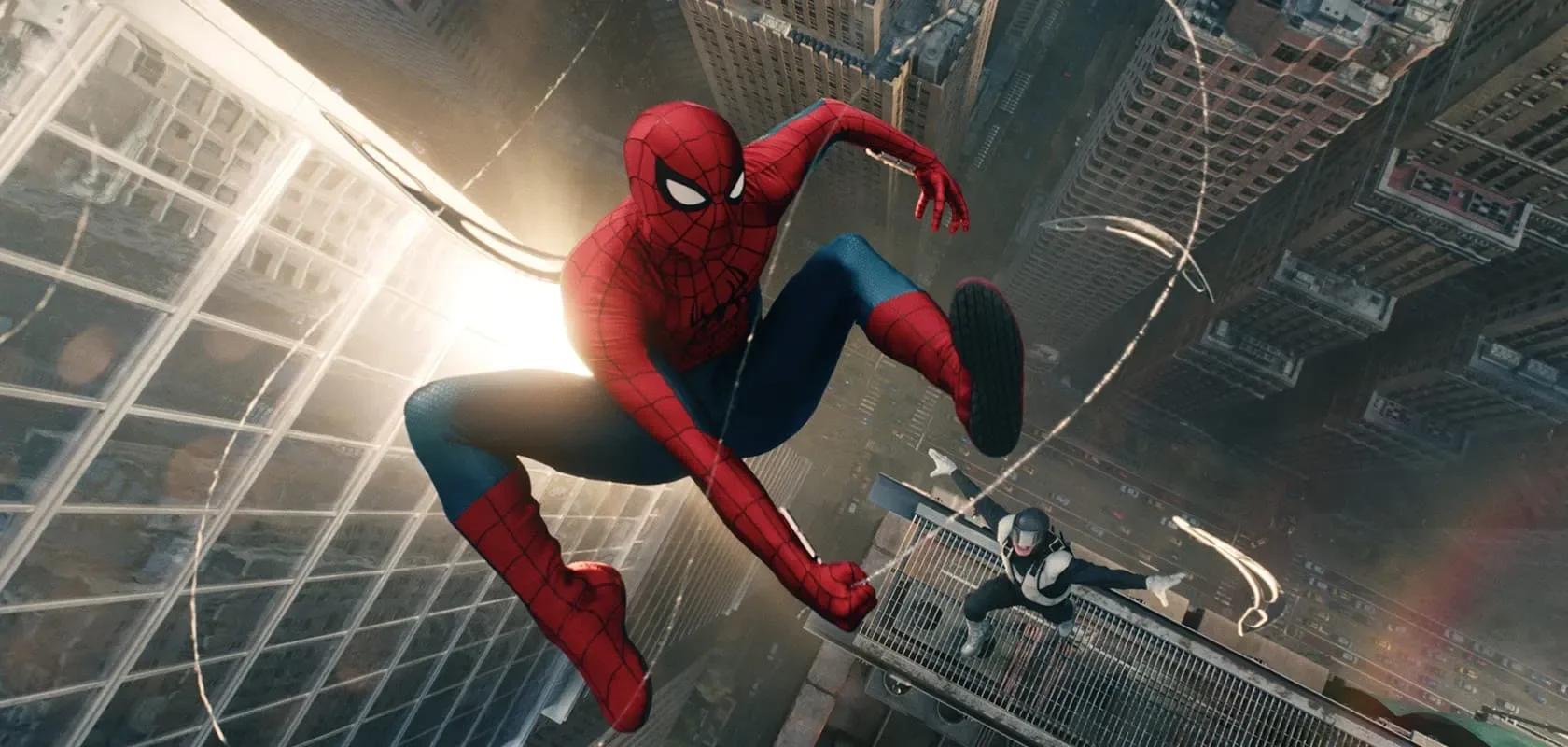
Spider-Man is Marvel’s ultimate fallback character that always sells tickets, no matter what. Only Batman and Superman come close to his global popularity and consistency over the years.
Superhero fatigue is an all-too-common phrase on social media lately, and people need to speak for themselves only when they use it.
Before Marvel Studios' Infinity Saga ended, not many people were saying much about being tired of superhero movies. Still, once the Multiverse Saga started, it suddenly became a leading issue that spelled certain doom for both Marvel Studios and DC Studios in the not-too-distant future. Indeed, it's no coincidence that once people started raising questions about the Marvel Cinematic Universe, the audience suddenly got tired of superhero movies altogether.
That's alarmist, and weirdly insulting to everyone who isn't a Marvel fan first.
For starters, the MCU didn't create superhero movies. They've literally been around for 60 years, going all the way back to Batman the Movie, the theatrical presentation of the 1966 Batman TV series with Adam West as Batman and Burt Ward as Robin. For that matter, if we're not talking about feature-length, Superman and the Mole Men, the 58-minute-long George Reeves film that served as a precursor to his Superman TV series, was theatrically released on November 6, 1951.
So superhero movies have been around since even before most of our parents were born. Their enduring presence, driven by major characters like Batman, Superman, and Spider-Man, ensures the genre's longevity and continued relevance.
If there was ever a time when superhero movies might have died out, it would have been in the 80s after Christopher Reeve's Superman movies started fizzling out. The best that Marvel could do theatrically was literally Howard the Duck, which, despite being a cult classic now, was a box office bomb in 1986. Just three years later, though, Batman was released and took the world by storm, igniting Batmania and a renewed interest in superhero movies that led to films like The Rocketeer, The Shadow, and The Phantom, among multiple Batman sequels.
Then, after Blade quietly ignited Marvel's renewed push into cinema in 1998, the X-Men loudly announced their cinematic presence in 2000, followed by Spider-Man in 2002, Batman's rebranding from Christopher Nolan in 2005, and THEN the start of the MCU in 2008.
Superhero movies have persisted through a lot more than what is happening now. There were some lean years where the best we could count on was Ben Affleck as Daredevil, Ryan Reynolds as Green Lantern, and Josh Brolin as Jonah Hex. If that didn't kill superhero movies, then why would The Marvels, Captain America: Brave New World, or Supergirl be the death knell of them?
Furthermore, why wasn't superhero fatigue a problem in 2021 when Marvel released four films in six months from July to December, which grossed over $3 billion, but it's allegedly been a problem since 2023, starting with Ant-Man and Wasp: Quantumania? So basically, since Marvel isn't making movies you like anymore, the whole genre is getting tiresome? No dice.
It doesn't matter how critical you are of Phases 4 and 5 of the MCU; they're not the beginning of the end of superhero movies. If push came to shove and you stopped watching movies like Black Widow, Eternals, or Thunderbolts*, Marvel would make Spider-Man movies with Sony until the end of time and continue to make billions, because he's their guaranteed moneymaker no matter what. In DC's case, it's Batman, and to a lesser extent also Superman. In fact, that's all Warner Bros. focused on for 34 years between 1978 and 2012 before they decided to try a shared cinematic universe starting with Man of Steel in 2013. Who knows how the DCEU might have gone, had the studio not cut bait on its original plan so quickly after the release of Batman v Superman: Dawn of Justice, but rest assured, they can fall back on Batman and Superman at any time the rest of their heroes might be faltering to gain traction with the general audience.
That's ultimately why superhero fatigue isn't real, at least not from a content standpoint, because as long as Spider-Man continues to make billions every time he hits the big screen, and as long as Batman and Superman are big draws as well, then Marvel and DC Studios always have a Plan B no matter what. Beyond that though, other fandoms are waiting for their shot at cinematic glory, or in Wonder Woman's case, another shot beyond her $821M theatrical debut in 2017. Wonder Woman 1984 largely can't be held against her, not only because of controversy over director Patty Jenkins' direction for the film, but also because COVID-19 drastically affected its release, pushing it to HBO Max in December 2020, and only available in theaters where it was allowed at 25% capacity across the United States.
How about Black Panther? The tragic and untimely passing of Chadwick Boseman surely affected the $859M that Wakanda Forever made after the first film pulled in a billion dollars, but with Black Panther III recently announced to have T'Challa's son take the reins, there's little doubt that Ryan Coogler will direct another hit for Marvel Studios in 2028. This is before we even talk about the X-Men finally being introduced into the MCU. The FOX franchise grossed over $6 billion for FOX between 2000 and 2019.
There are plenty of reasons for fans and the general audience not to be sick of superhero movies anytime soon, especially since they choose which of the 3 to 4 comic book movies a year to see, making the experience feel fresh and tailored.
In 2023, audiences were besieged with superhero movies from both Marvel and DC. They decided to see Guardians of the Galaxy Volume 3 to the tune of $845M. They skipped Ant-Man and the Wasp: Quantumania and The Marvels. DC was even worse that year, with four movies in theaters, and audiences largely choosing to see Aquaman and the Lost Kingdom at $440.8M. In the same year, The Flash made $271M, and Shazam: Fury of the Gods and Blue Beetle both made well under $150M. In fact, the second-highest-grossing superhero film of 2023 was the animated Spider-Man: Across the Spider-Verse at $690.8M.
Eight superhero movies in one year is lunacy for a general audience that has to worry about rising ticket prices, concession prices, gas prices, and the cost of a babysitter if they're not bringing the kids with them. Asking them to watch that many superhero movies before 2020 would have been Herculean, but certainly impossible post-2020.
2025 featured four superhero choices for the general audience. They largely picked Superman(2025), the first film in the DCU that was also Superman's first solo movie in 12 years, and Fantastic Four: First Steps, the first Fantastic Four movie in 10 years. The two combined for over a billion earned at the box office, while Captain America: Brave New World and Thunderbolts* got skipped, each one earning well under $500M apiece.
The "fatigue" isn't with superhero movies; it's with how many are releasing every year, and even then it's not that the films aren't being watched. They're just not all being watched in theaters. Captain America: Brave New World and Thunderbolts* both saw a resurgence of attention after hitting Disney+, and there is a climate of the audience that is more than willing to wait for streaming before seeing a movie, either because of costs or convenience. More than a few people have told me that while they weren't going to see Supergirl in theaters, they were absolutely going to check it out when it hit streaming. That's a budgetary decision, not fatigue, or else they wouldn't plan to watch it at all.
Never mind that watching movies from home on a high-definition TV gives you the ability to pause for bathroom breaks, eat your own snacks, and avoid unsavory humans that might affect your enjoyment of the movie.
The bottom line is, superhero movies have been around for a long time and won't be going anywhere anytime soon, but if you're looking for big windfalls at the box office, then studios need to release no more than 2 movies a year. They also better rely on the bigger characters to get it done, unless they're willing to play the long game in building up smaller characters' fan bases that might not get watched until they hit Disney+ or HBO Max.